When is the best time to visit Switzerland? Here’s your season-by-season guide
Switzerland rewards travelers in every season—the trick is knowing what each one offers. Here’s how to find your perfect window.

The most popular time to visit Switzerland is from June through August for peak season and November through March for off-peak travel. Still, the best time for you depends on what you want from your trip. Want to cross Lucerne’s iconic Kapellbrucke with snow on the ground and mulled wine in hand? That’s winter. Ready to ride the Bernina Express while the sun shines on the mountain peaks? That’s summer. Switzerland has a version of itself for every kind of traveler—and it’s gorgeous all twelve months of the year. Our Switzerland Travel Guide covers the full picture, but here we’re zeroing in on the best time of year to visit Switzerland.
How Switzerland’s weather varies by region
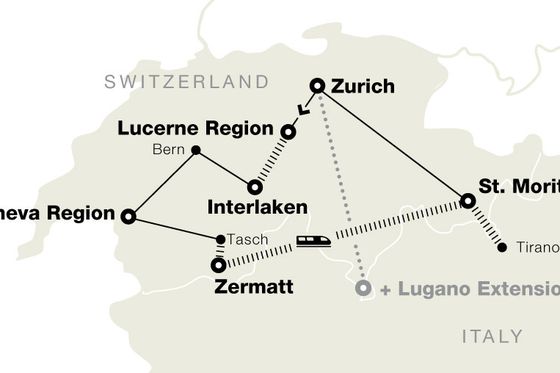
Switzerland doesn’t play by one set of weather rules. The Alps get heavy snow from December through March, while lakeside towns like Lucerne and Montreux stay considerably milder. Zermatt and St. Moritz sit at altitude and run cooler year-round, while Lugano in the south has a noticeably sunnier, more Mediterranean feel. Mountain weather can also shift fast—a crystal-clear Interlaken morning can cloud over by afternoon. Rather than chasing a single “best” month, think about which stops matter most to you. Our guide to what Switzerland is known for is a great starting point if you’re still figuring that out.

What to know about winter in Switzerland
Months to experience Switzerland in winter
December, January, February
Visit Switzerland in winter for Christmas markets, snow, and fireside raclette
The best time to visit Switzerland for snowfall is December through February, when the Swiss Alps are reliably blanketed. The cold outside makes the warmth inside feel earned. Even the cities slow to a walking pace, and a quiet street can feel just as memorable as a busy one. Pack warm waterproof layers, insulated boots, and a great hat.
December
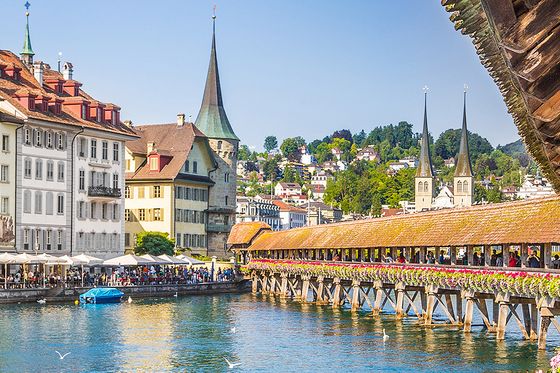
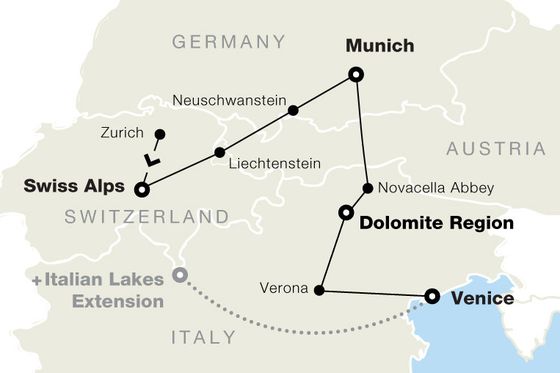
Lucerne’s Christmas markets run across multiple squares in the Old Town, and the one at Franziskanerplatz is where you should go. Vendors sell hand-carved wooden decorations, gingerbread, local Alpine cheeses, Swiss chocolates, and gluhwein mugs—a top-notch souvenir if you ask us. The Kapellbrucke, a covered wooden footbridge above the Reuss River, is strung with lights. Take in the season on our Christmas Markets of Germany, Switzerland & Austria tour.
January
January is one of the best times to visit Zurich, Switzerland, according to our Zurich Travel Guide. The city slows down and what’s left is quiet lakeside streets, locals going about their lives, and mornings that encourage you to linger. Stay a little longer at MAME, a coffee shop run by two former Swiss barista champions who roast their own beans. Order by flavor profile: classic, adventurous, or complex.
February
February is one of the best times to visit the Swiss Alps as Zermatt sits on one of the deepest snow basins. P.S. You don’t have to ski to make the most of it. The town is permanently car-free, so the streets are quiet except for horse-drawn sleighs, and the Matterhorn rises above the rooftops at the end of the main drag. Stay for the raclette: melty cheese scraped hot off a wheel, eaten in a warm restaurant while the snow piles up outside.
Put these Switzerland tours on your winter wishlist

What to know about spring in Switzerland
Months to experience Switzerland in spring
March, April, May
Visit Switzerland in spring for waterfalls, cogwheel railways, and farmers markets
Spring is Switzerland’s best-kept secret. Snowmelt still rushes through valleys the sun has only just reached. Markets reopen before the crowds do. Trains and cable cars start climbing again, and the views up top are still yours to take in without a line. Nothing is at its peak yet, and that’s the appeal—you’re watching the country wake up in real time. Pack light layers and a rain jacket, since mornings can still be crisp.
March
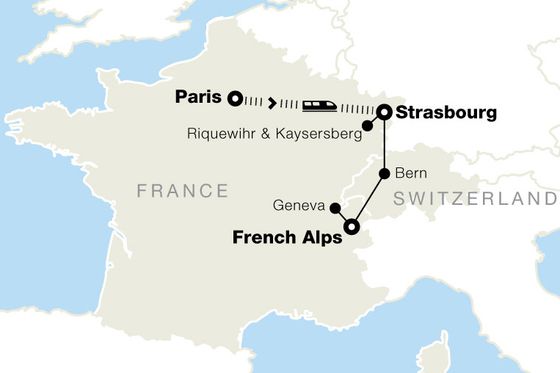
Bern’s farmer’s market runs every Tuesday and Saturday across Barenplatz and Bundesplatz—right in front of the Federal Palace—and in March the stalls are loaded with early-season alpine cheese, cured meats, fresh bread, and the year’s first rhubarb. The medieval arcades keep you dry if it drizzles. Plus, the market wraps up by noon, leaving the afternoon free for you to explore the rest of the Old Town. Experience it on our Paris, Alsace & the French Alps tour.
April
Mount Pilatus reopens in April, and this cogwheel railway up from Lucerne is the steepest in the world—climbing through snow-dusted slopes to a summit with Lake Lucerne spread out thousands of feet below. In April, there’s no summer heat or summer crowds. Just the railway, the view, and the quiet. Add the Mount Pilatus excursion on our A Week in Switzerland, Germany & Austria tour.
May
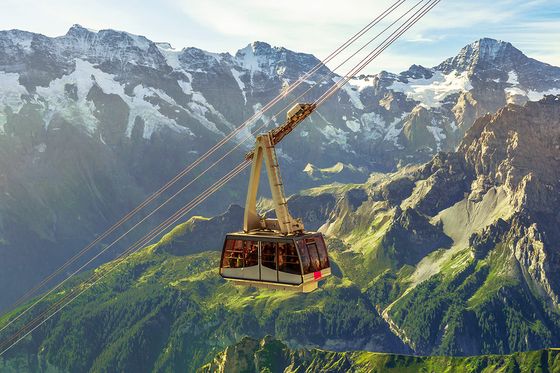
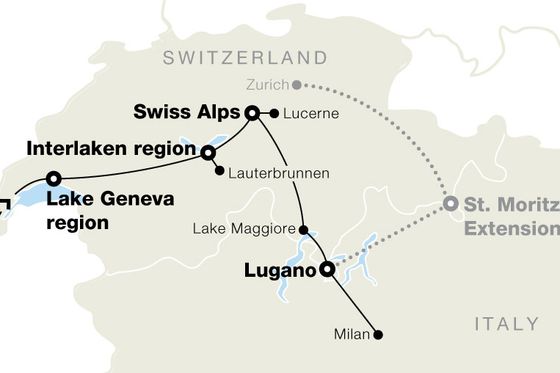
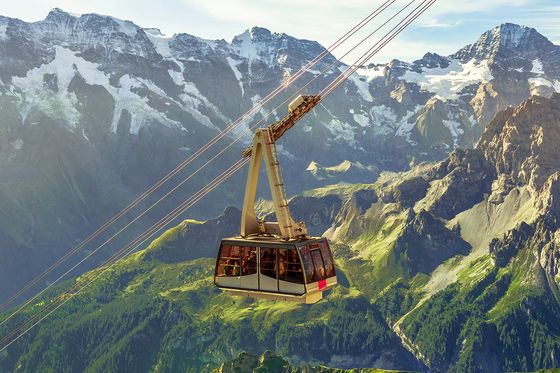
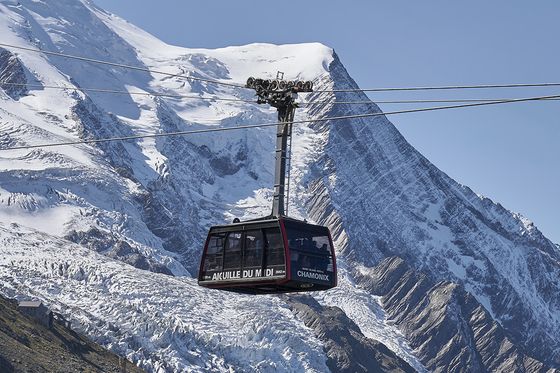
Lauterbrunnen sits in a valley with 72 waterfalls pouring off the cliffs above it, and May—when snowmelt is at full volume—is when they’re most dramatic. Staubbachfall drops 297 meters off the rock face right above the village. Then comes the Schilthornbahn, a cable car that climbs to 9,740 feet where the Eiger, Monch, and Jungfrau peaks are all visible at once. Our A Week in Switzerland: Lake Geneva, Swiss Alps & Ticino tour covers both.
Enjoy spring in Switzerland

What to know about summer in Switzerland
Months to experience Switzerland in summer
June, July, August
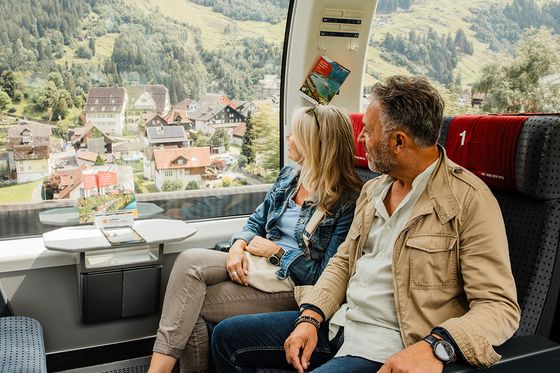
Visit Switzerland in summer for sunlight, train rides, and mountain peaks
Ask a local what makes Swiss summer different, and they’ll point to the daylight. The days run long enough to hike a mountain trail in the morning, jump into a lake by afternoon, and still have time to watch the sun go down over the water with dinner in hand. It’s the kind of season where you can fit in more than you planned and still feel unhurried. Yes, the popular spots draw a crowd this time of year. But with weather, access, and views this good, most travelers won’t mind sharing. Switzerland in summer: one traveler’s take captures what these months are truly like.
June
June is when the Glacier Express earns its reputation. The eight-hour route from Zermatt to St. Moritz crosses 291 bridges, passes through 91 tunnels, and climbs to more than 6,000 feet at the Oberalp Pass. You’ll witness it all through panoramic cabin windows. In June, the meadows along the route are in full bloom so you’ll see wildflowers on every slope and snowmelt still running in the ravines below. Our Switzerland by Train: Lucerne to Zurich tour puts you on board at exactly the right time.
July
July is the best month to go to Jungfraujoch on our Switzerland by Train: Lucerne to Zurich tour. The highest railway station in Europe sits at 11,332 feet, and you get there by train from Interlaken—through two mountains and up onto a glacier that has an entire ice palace, called Eispalast, carved into it. Clear summer days, long daylight hours, and snow in July. There’s no better time for this particular trip.
August
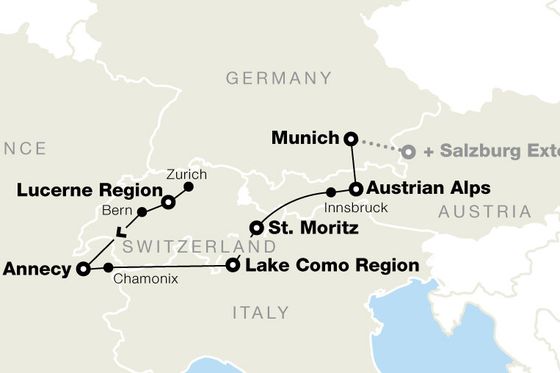
The Bernina Express runs from St. Moritz over the highest adhesion railway in Europe—past glaciers, over stone viaducts, through valleys that are at peak green in August. It’s a UNESCO World Heritage route, and August is when the weather gives it the best chance to show off. Our Jewels of Alpine Europe tour takes you from Lucerne to St. Moritz and right onto that red train.
Experience summer in Switzerland

What to know about fall in Switzerland
Months to experience Switzerland in the fall
September, October, November
Visit Switzerland in fall for wine tastings, alphorn workshops, and golden Lucerne
In the fall, vineyards fill with pickers, wine cellars open their doors, and small workshops—the kind that are easy to miss in peak season—welcome visitors in for a closer look. Cities also settle back into their everyday pace. If you’re mapping out where to spend your time this season, our guide to the best places to visit in Switzerland on one trip is a good place to start. Pack light layers for early fall and warmer, waterproof gear as November sets in.
September
September is when Lucerne hits its stride. The summer crowds thin out, the weather settles into its clearest stretch of the year, and the lower slopes of Pilatus and Rigi start showing the first hints of autumn color. Spend the morning crossing the 14th-century Kapellbrucke, walking through the medieval Old Town, and standing in front of the Lion Monument. From there, our Oktoberfest: Germany, Switzerland & Austria tour brings you across the border to clink your steins in Munich’s famed beer halls.
October
October is one of the best times to visit Geneva, Switzerland—and the Lavaux terraces that climb steeply from the shore are the reason. These UNESCO-listed slopes have been cultivated since the 11th century, and by October the chasselas vines have turned gold and amber, the harvest has just wrapped, and the winemakers are back in their cellars. On our Switzerland by Train: Lucerne to Zurich tour, you’ll step inside one of those cellars, learn how chasselas goes from these slopes to the bottle, and taste wines with local cheese and sausage.
November
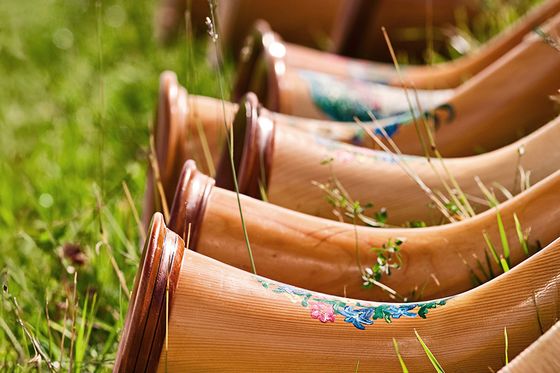
The alphorn has been used to communicate across Alpine valleys for centuries. At the Bernatone Alphornbau workshop, you’ll see the artisans in action and watch how locally harvested spruce becomes the instrument you may recognize from the famous Ricola commercials. November is off-peak season, which means the workshop is less crowded so you’re more likely to get a front-row view of the process when you join our A Week in Switzerland: Lake Geneva, Swiss Alps & Ticino tour.
Fall in love with Switzerland on an autumn tour
FAQs
Emily loves the simple travel moments—like watching hours pass by in minutes while sharing a meal and a laugh (or many) with her friends and family. Outside the office, you'll find Emily listening to anything and everything John Mayer, attempting to cook a New York Times recipe, or dreaming up her next trip.