Why are Ireland’s doors so colorful? The story behind a beloved tradition
Ireland’s colorful doors are a window into history, myth, and the Irish spirit. Here’s the lore and truth behind one of the country’s most iconic traditions.

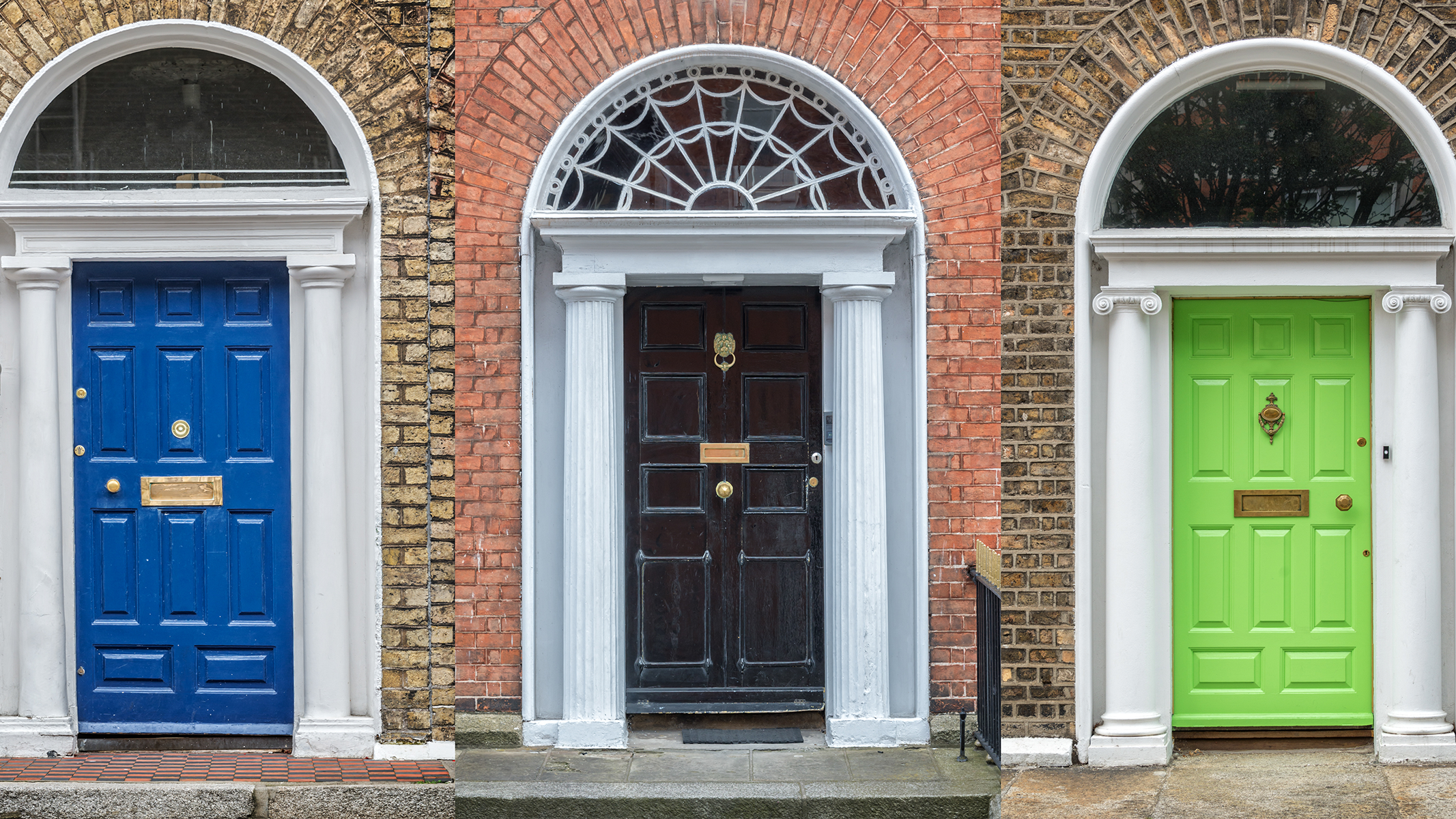
Ireland’s colorful doors started as a practical fix: a way to tell one uniform-looking Georgian townhouse from the next before street numbers existed. Today, Dublin’s painted doors remain a colorful part of Irish culture. Meet the people keeping the stories of the doors alive on our Ireland tours, and impress your guide by brushing up on the background of Irish doors with this insider info.

The real reason Ireland’s doors are so colorful
How Irish architecture set the stage
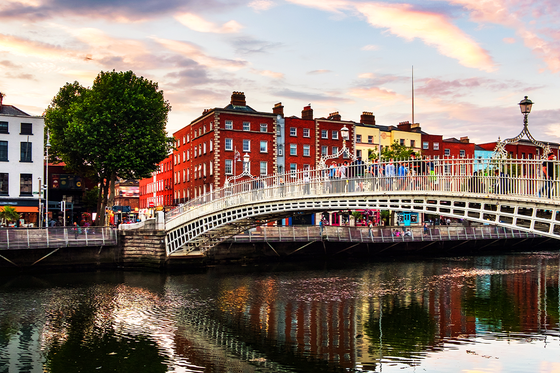
In the 18th century, Dublin’s Georgian terraces went up fast, and they all looked the same: tall, red-brick townhouses with matching windows, fanlights, and doors. You’ll see this architectural style on our Dublin tours. The uniformity of this style made it easier and quicker to build, but it also created a problem: When every home on the street looks like its neighbor, how do you find your own front door? The answer, it turns out, was paint.
The most plausible reasons for the colorful doors
- Pushback against architectural uniformity: The most widely cited explanation it that, because Georgian architecture was so formulaic, tenants painted their doors to tell their homes apart from their neighbors’. This was helpful before street lighting made it easy to find your way home.
- Personal expression: Within the rigid uniformity of Irish architecture, a painted door became one of the few ways residents could say something about their household to passersby.

The legends behind the doors: myth, mourning, and mischief
Why the myths matter as much as the facts
Folklore is how history survives in Ireland. For centuries, stories filled the gaps that written records couldn’t. The legends around Dublin’s painted doors follow that same tradition—persisting not because they’re documented, but because they capture the Irish spirit: the wit, resilience, and a quiet refusal to conform. Learn why Irish myths still matter in our guide to Irish folklore.
Four pieces of Irish door folklore
- The mourning myth: Some say the Irish painted their doors in protest after Queen Victoria’s death—defying a British order to mourn in black. Like many beloved origin myths, this one says more about Irish spirit than Irish history.
- The Act of Union theory: When the 1800 Act of Union dissolved the Irish Parliament, legend says Dubliners painted their doors in mourning—a small, visible act of defiance when their political voices were silenced. Historians say it’s folklore, not fact, though.
- The wandering husband story: This is the most Irish of all the legends. The folklore says that the Irish painted their doors so men could find their home after a night out.
- Neighborhood rivalry: Once one door stood out, the neighbors noticed. A practical choice quietly became a competition, with each household going bolder, brighter, and more distinctive than the last.
Take a tour to see Ireland’s doors

Dublin’s most iconic doors and where to find them
Which neighborhoods are known for their doors?
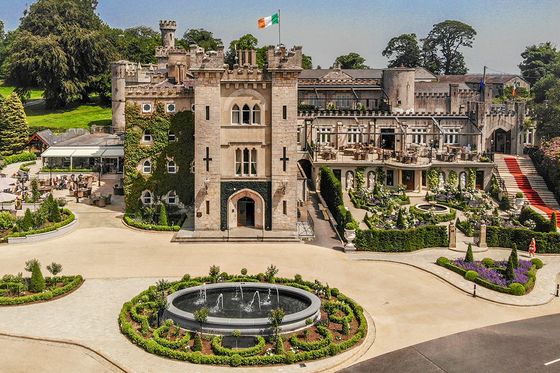
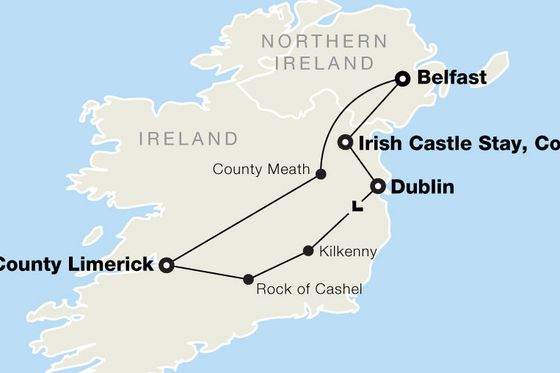
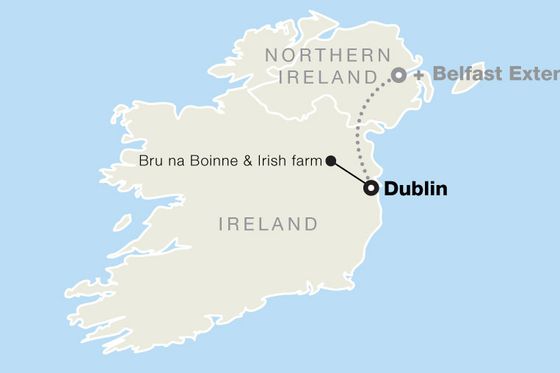
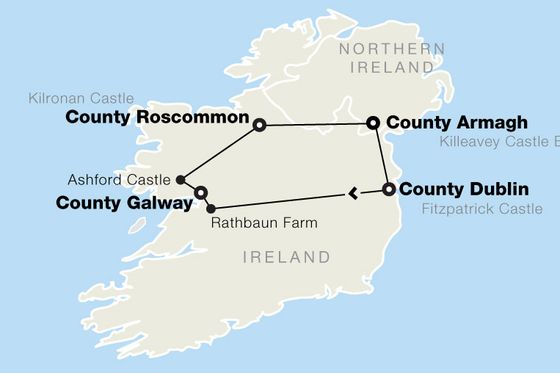
Dublin’s most colorful doors are concentrated in the Georgian neighborhoods south of the River Liffey. This includes Ballsbridge, Ranelagh, and Rathmines. If you’re planning a visit, our A Week in Ireland: Dublin, Belfast & Irish Castle Stay tour pairs you with a guide who knows every knocker.
Top spots to see colorful Dublin doors
- Merrion Square: This is the undisputed home of Dublin’s most iconic doors (the north side of the square was once home to Oscar Wilde). You’ll come here on all of our Dublin tours.
- Fitzwilliam Square: Quieter and more residential than Merrion, the Georgian terraces in Fitzwilliam are among the city’s best preserved. It’s just one reason Dublin is one of the top cities to visit in Ireland.
- Baggot Street and the Georgian Mile: This stretch connects several of Dublin’s best door-spotting locations in one route. Walking it is one of the best things to do in Dublin.

Ireland’s most colorful towns and villages beyond Dublin
Is the colorful door tradition unique to Dublin?
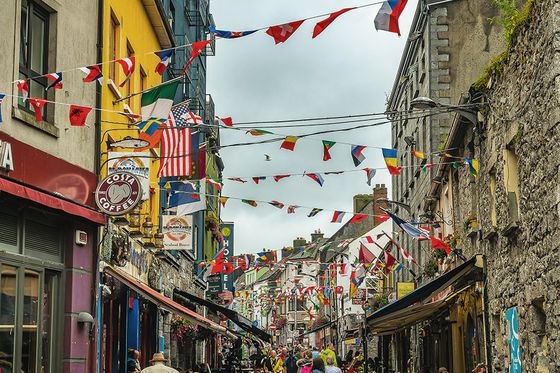
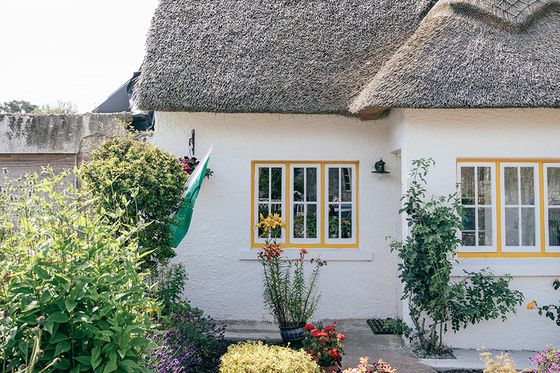
Dublin may have made the tradition famous, but color is woven into towns and villages across Ireland. From Cork’s harbor towns to the west coast, the instinct to paint boldly is everywhere. Our Ireland tours take you beyond the capital to find it with a guide who knows exactly where to look. Wondering when’s the best time to visit? Here’s your season-by-season guide to Ireland.
Most colorful places to visit beyond Dublin
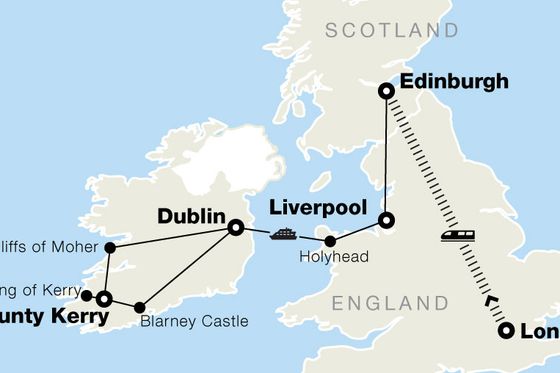
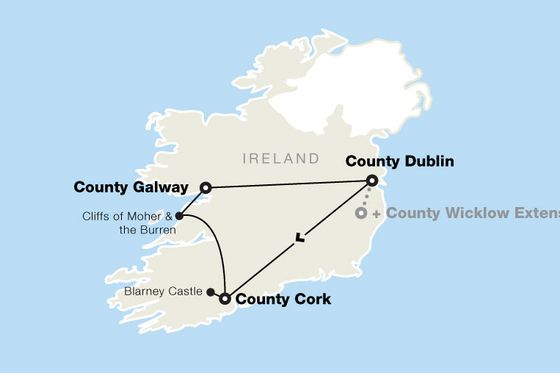
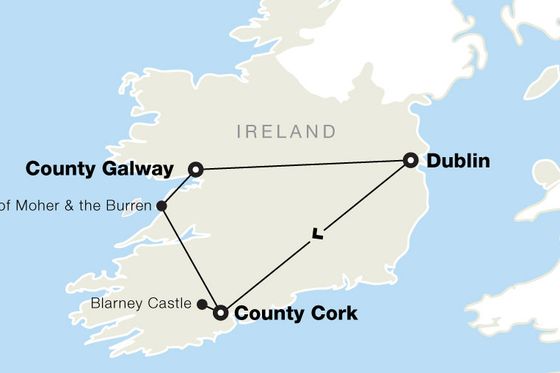
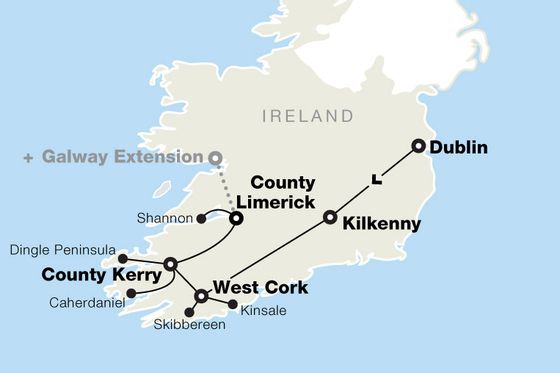
- Kinsale, County Cork: Visit the town during the An Evening in Kinsale excursion on our A Week in Ireland: Dublin, Cork & Galway tour to experience the colorful shopfronts, celebrated food, and storybook harbor.
- Cobh, County Cork: In addition to having pastel Victorian terraces stacked above the harbor, Cobh has a deep history tied to Irish emigration. A local guide tells you more on our Grand Tour of Ireland.
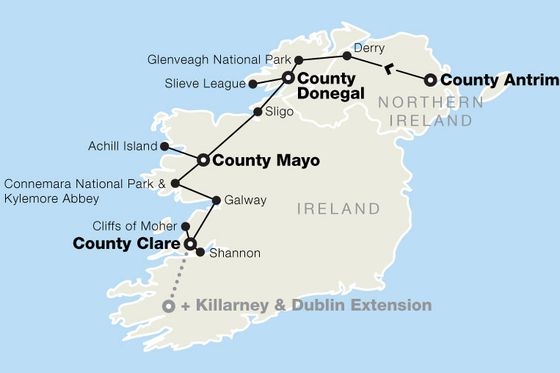
- Westport, County Mayo: You’ll stay in town on our Ireland: The Wild Atlantic Way tour. Pro tip: Walk along The Mall by Carrowbeg River to see the town’s most colorful doors.
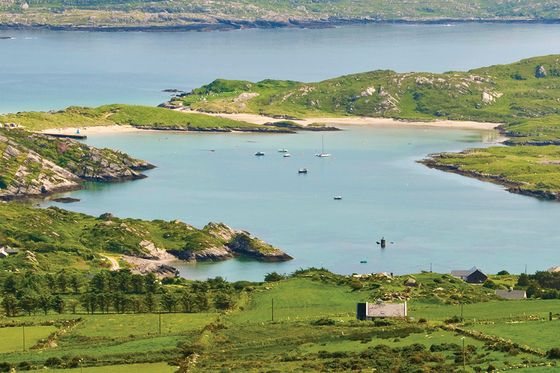
- Dingle, County Kerry: Get to know this harborside gem on our Food of Ireland: Dublin, West Cork & County Kerry tour. The artisan shops, fishing boats, and musical spirit make it one of the best places to visit in Ireland.

How Ireland’s doors became a cultural symbol and online icon
Why do travelers connect with Ireland’s doors?
There’s a reason travelers leave Ireland with tons of pictures of doors in their camera rolls. They’re beautiful, yes, but they also say something about folklore, history, and a culture that refuses to conform. That’s a powerful thing to stumble across on a street corner. Explore our Ireland tours to see them for yourself and read our Ireland Travel Guide to learn more about the culture before you hit the road.
Small door details that speak volumes
- Visual distinctiveness: The doors photograph beautifully in almost any light, which is why they’re a staple of online travel content.
- Cultural personality: Travelers fall for the Irish wit, warmth, and quiet resistance to conformity. The doors are a visible expression of that.
- Connection to place: Stopping to look at a door—to really look—turns a walk into something more. Those little details help you take in the smile-inducing quirks of the country.
- Shareability and inspiration: The humble painted door has an entire genre of Irish culture travel inspiration built around it, including dedicated walking routes and photo guides.
FAQs
Emily loves the simple travel moments—like watching hours pass by in minutes while sharing a meal and a laugh (or many) with her friends and family. Outside the office, you'll find Emily listening to anything and everything John Mayer, attempting to cook a New York Times recipe, or dreaming up her next trip.