Oktoberfest food & drink: Traditional Bavarian bites & beer to try
Traditional Oktoberfest food and drinks include roast chicken, pretzels, pork knuckle, and rich Bavarian beer. Discover the flavors and stories behind the world’s most famous festival table.

Classic Oktoberfest foods include hendl, schweinshaxe, wurst, brezen, and kasespatzle, and sweets, such as apfelstrudel. Inside Munich's festival tents, these Bavarian staples arrive by the plateful. And while lederhosen and dancing get plenty of attention during Oktoberfest, these foods and drinks tell the real story of Bavaria. These are dishes and beers with centuries of history behind them, tied to harvest rhythms, regional brewing traditions, and a Bavarian sense of community. This guide is your seat at that (long, communal) table.

Traditional Oktoberfest foods and their ties to Bavarian culture
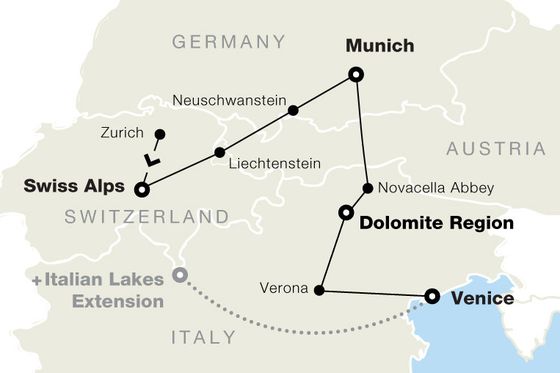
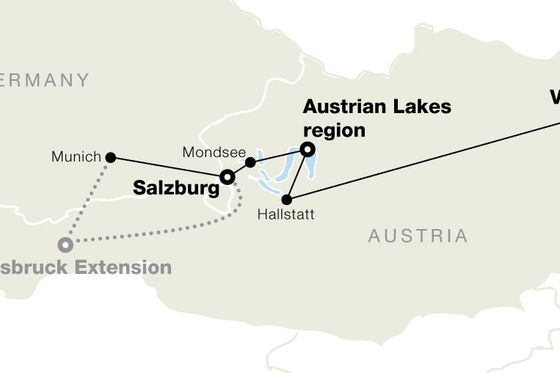
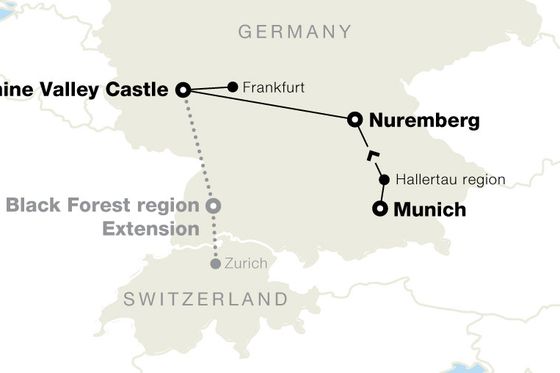
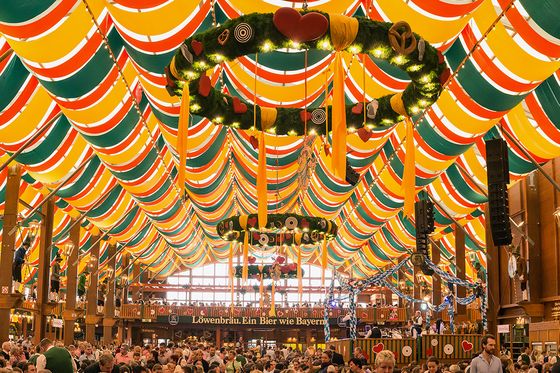
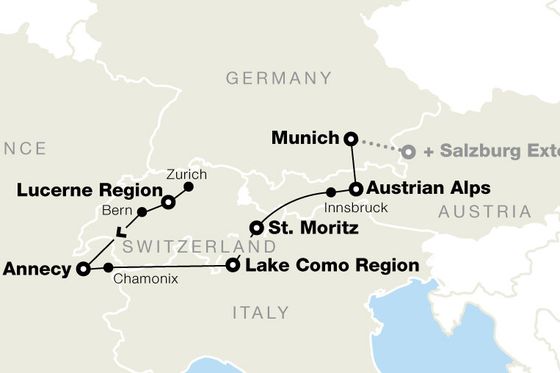
At its heart, Oktoberfest is a harvest festival—and the food reflects that completely. Traditional Bavarian food is built around the land: pork from Alpine farms, grain from fertile lowlands, apples from orchard country, and hops from the Hallertau region, the largest hop-growing area in the world. The dishes served in the tents aren’t simplified for the occasion. They’re the everyday soul food of this corner of Germany, scaled up for a celebration. When you join trips like our Oktoberfest: Germany, Switzerland & Austria tour, you’ll sit at a long wooden bench inside a festival tent and share platters of roasted chicken and plates of cheesy noodles, exactly as Bavarians have for generations.
)
The history and meaning behind Oktoberfest food traditions
So, why is Oktoberfest celebrated? It started with a royal wedding. In October 1810, Crown Prince Ludwig of Bavaria married Princess Therese of Saxony-Hildburghausen, and Munich’s citizens gathered on the fields now called Theresienwiese to celebrate. The event was repeated the next year, and the year after that. What began as a one-time feast grew into the world’s largest folk festival—one whose harvest roots have shaped every dish still served in the tents today. This is just some of the backstory you’ll learn on our Oktoberfest: Historic Germany tour.

Classic Oktoberfest foods to try
Browse our Oktoberfest tours and you’ll find we’ve built in plenty of time to eat all of the traditional German Oktoberfest food you want to try. Inside the sprawling canvas tents, servers move through the crowd carrying teetering towers of plates and steins, and the menus read like a Bavarian greatest-hits collection. Here’s what you’ll find on every table, and why each dish earned its place there.
Hendl (roast chicken)
This is the undisputed crowd favorite when it comes to Oktoberfest party food. Hendl is seasoned with salt and caraway, slow roasted until the skin crackles and turns golden, and arrives split in half—steaming, fragrant, and made for tearing apart with both hands. Wash it down with a cold Marzen.
Schweinshaxe (pork knuckle)
This pork dish is slow-braised until the meat falls away from the bone, then oven-finished until the skin crackles. It’s deeply savory, slightly sweet, and unmistakably Alpine—the kind of dish that has fed mountain farmers for centuries.
Wurst (sausages)
Sausages are a nod to Bavarian butchery traditions and appear in every form. Ground pork or beef sausage called bratwurst sizzles on grills at outdoor stalls; weisswurst—delicate white veal sausage—is boiled tableside in the tents; and currywurst, pork sausage that’s steamed, then fried, comes slicked in spiced ketchup.
Brezen (giant pretzels)
Sized like a steering wheel, bathed in lye for a dark, glossy finish, sprinkled with coarse salt, and steeped in symbolism and history, Bavarian brezen are chewy, dense, and made for absorbing beer.
Kasespatzle (cheesy egg noodles)
These soft egg noodles, which are tossed with melted, mountain-made cheese, crispy onions, and butter, are Bavaria’s answer to mac and cheese. The dish is rooted in the home cooking of southern Germany and the Austrian Alps, and it’s a satisfying plate for vegetarians.
Oktoberfest desserts & sweet treats
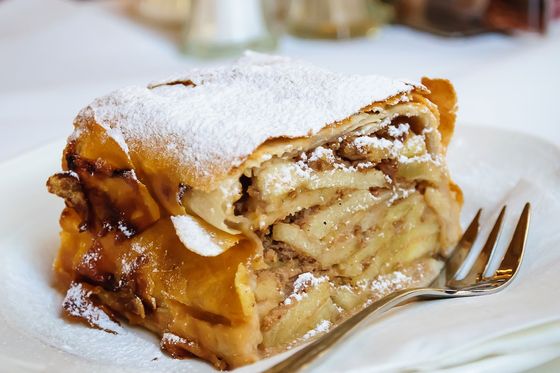
Oktoberfest desserts include decorative lebkuchenherzen (gingerbread hearts), warm apfelstrudel with spiced apple filling, and dampfnudel—sweet, steamed dumplings with vanilla sauce. They’re all rooted in Bavarian folk tradition, and they’re definitely worth a try.
Getting excited for Oktoberfest? Check out 10 things to know about Oktoberfest before you go →
Ready to get in the Oktoberfest spirit on a Go Ahead tour?

What to drink at Oktoberfest, and why the beer matters
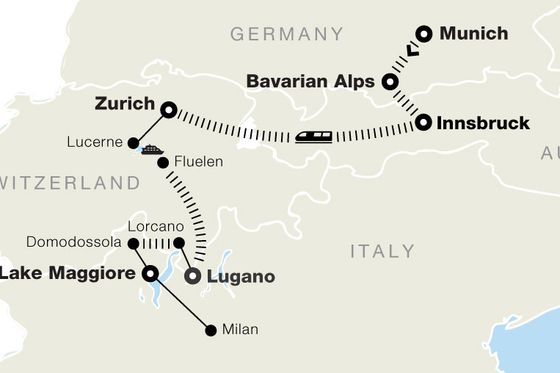
The main beer served at Oktoberfest today is Festbier, while Marzen is the historic style associated with the festival. Only six Munich breweries are permitted to pour in the official tents, and each one brings its own history, style, and rituals worth knowing before you raise your first stein. Learn more about it all in our Oktoberfest beer guide, or book our Oktoberfest: Jewels of Alpine Europe tour to get a front-row seat. Read on to learn what beers are served at Oktoberfest.
Marzen—the classic Oktoberfest beer
Brewed in March, lagered through summer, and tapped in September, Marzen is amber, malty, and smooth. Its depth of flavor comes from months of slow conditioning, and it’s the beer Oktoberfest was built around.
Festbier—the modern favorite
Paler and lighter than Marzen, Festbier has become the dominant pour in the tents over recent decades. It’s golden, crisp, and easy to drink alongside rich festival food, and it’s still brewed by the six official Munich breweries.
The six Munich breweries you’ll see at Oktoberfest
Only six Munich breweries are licensed to pour inside the official tents. Each is a centuries-old institution:
Paulaner: Founded by Franciscan monks in 1634.
Hofbrau: The former royal court brewery of the Wittelsbach dynasty.
Augustiner: The oldest of the six, dating to 1328. Known for unpasteurized beer from wooden barrels.
Hacker-Pschorr: Their tent, the Himmel der Bayern (Heaven of Bavaria), lives up to the name.
Lowenbrau: Recognizable worldwide for its iconic lion symbol.
Spaten: Credited with creating the Marzen style in 1872.
What to know about Oktoberfest beer steins
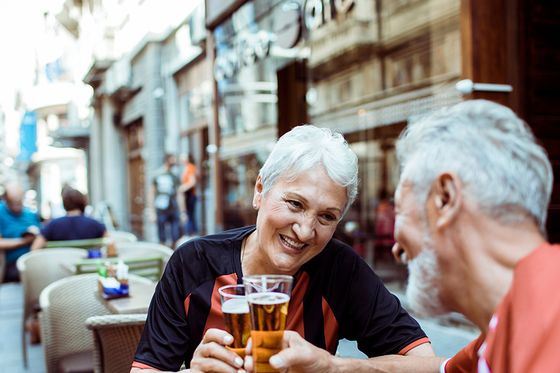
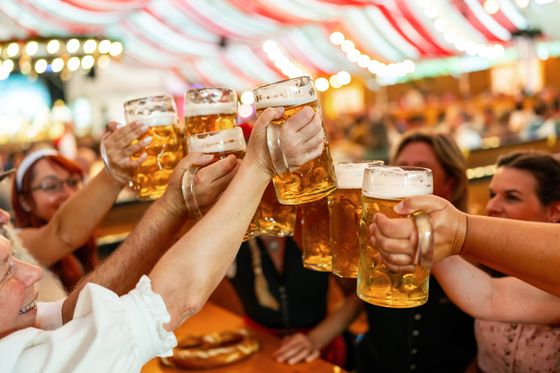
Beer is served in a one-liter glass Maßkrug, or Masskrug (pronounced MAHSS-krook). The liter is a nod to the festival’s communal roots, where sharing a table meant drinking together. Clink at the bottom, not the rim, and when the band plays "Ein Prosit der Gemutlichkeit," rise up to toast.

Beyond beer: Non‑alcoholic & regional drinks to try
Beyond beer, Oktoberfest drink options include apfelschorle, Spezi, alcohol-free Bavarian lager, and Radler—all soft drinks and lighter options that are every bit as rooted in the region as the beer. When you travel on one of our Oktoberfest tours, you’ll find these throughout the festival.
Apfelschorle (apple spritzer)
This effervescent sipper is half apple juice, half sparkling water. Its acidity cuts through rich festival food nicely, and its fizz is refreshing.
Spezi (cola and orange soda)
This concoction was first bottled in Munich in the 1950s. It’s a beloved local staple that visitors rarely order and regulars swear by.
Alcohol‑free Bavarian beers
All six official breweries produce non-alcoholic lagers, properly brewed with real malt character—not watery compromises. Poured cold into a chilled stein, they offer the full Oktoberfest ritual.
Radler (beer and lemon soda)
This 50/50 lager-lemon soda mix is served cold. It’s crisp, lightly sweet, and lower in alcohol than a full liter of beer.

Ready for a seat at the Oktoberfest table?
Knowing what hendl tastes like isn’t the same as pulling it apart at a wooden bench while the entire tent around you sings. Oktoberfest food makes sense in its setting: the harvest behind it, the brewery that poured your Masskrug, the neighbors whose steins you clink. That’s the part no guide can hand you. Our Oktoberfest tours put you in the tents for it.

























)