The essential guide to French food and wine
The secret to eating well in France? Knowing what to order and where to order it. This guide breaks it all down.

Sit down for lunch in Lyon and you’ll eat nothing like you would in Bordeaux—and that’s exactly what makes French food culture so endlessly delicious. Duck in Dordogne. Champagne in Reims. Chantilly cream in, well, Chantilly—every region in France has its own ingredients and traditions. Learning what to order and where to order it is the key to eating and drinking well in a country that dines like no other. From the best French dishes to the top things to do in France—market strolls, cellar tastings—this is your road map to eating like a local on our France Food & Wine Tours.

Why France is one of the world’s great food and wine destinations
How geography shapes France’s food culture
Regional diversity is what makes the cuisine on our France tours shine. Normandy’s dairy-rich cooking comes from its lush green pastures and cool northern climate. Provence’s olive oil-drenched dishes reflect its Mediterranean sun. Burgundy’s wine-braised classics are inseparable from the region’s celebrated vineyards. Here are the ingredients to look for on menus and in markets across France.
Key ingredients to know about
- Butter and cream: Normandy’s dairy culture defines northern French cooking, where butter and cream are used liberally in sauces and tarts. In Brittany, salted butter is practically a religion.
- Olive oil: In Provence and the Riviera, olive oil replaces butter. The oil can be mild and grassy or robust and peppery depending on where you are.
- Mustard: Dijon mustard is a cornerstone condiment across France that’s essential to vinaigrettes and braises, particularly in Burgundy.
- Herbes de Provence: This aromatic blend of thyme, rosemary, and the occasional hint of lavender lends flavor to roasted meats, tapenade, and more. One whiff and you’ll know you’re in the South of France.
- Cooking wine: French cooks use wine—red, white, and fortified—as a fundamental ingredient. It’s the backbone of boeuf bourguignon and coq au vin.

The best French dishes and where to find them
What to know about French regional cooking
Every region in France has dishes that belong to it and nowhere else—and showing up knowing what to order is half the battle. The list below covers the most iconic foods to try. Some you’ll taste on tour. Others are worth hunting down during free time. For a deeper look at what the French eat, check out the 20 regional foods a French local says you should try.
Classic French dishes and where to eat them
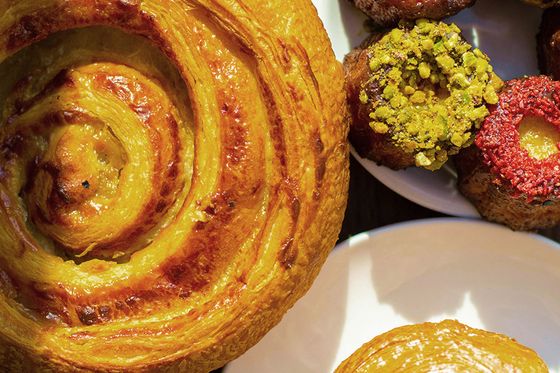
- Pink praline tarts in Lyon: Lyon is considered the country’s culinary capital and these buttery French pastry shells filled with pink cream and made from rose-tinted almonds are a highlight on our Food & Wine of France: Burgundy, Champagne & Paris tour.
- Caneles in Bordeaux: Bordeaux’s most iconic French pastries, caneles are small, rum-and-vanilla-flavored cakes with a deeply caramelized crust and a soft, custard-like center.
- Duck magret in the Dordogne: The Dordogne is France’s duck country, and duck magret is its signature dish. A fattened duck breast is seared until the skin is crisp. Taste it on our Food & Wine of France: Bordeaux & Burgundy tour.
- Dijon mustard in Burgundy: First served at a royal feast in 1336, this sharp, complex condiment is made from brown mustard seeds and white wine—and more nuanced than anything back home.
- Biscuits roses in Reims: These light, finger-shaped cookies are dusted in pink, powdered sugar. Tradition says to dunk them in Champagne. Who are we to argue?
- Chantilly cream in Chantilly: First made in the kitchens of the Chateau de Chantilly in the 17th century, this lightly sweetened vanilla whipped cream is simple and elegant.
- Brie in Paris: Brie originates from the Ile-de-France, the region surrounding Paris. For more on eating your way through the capital, check out our foodie’s guide to Paris.

French wine regions and what to drink where
Understanding France’s major wine-producing areas
In France, wine is named for where it comes from, not the grape it’s made from. That place-based system, protected by the AOC (Appellation d’Origine Controlee), is the key to navigating French wine with confidence. For a deeper dive, our guide to France’s wine regions is a good place to start. Winery and cellar visits have become some of the top experiences in food travel, and all of our France Food & Wine Tours include at least one.
What to drink in each French wine region
- Bordeaux: This is France’s most famous wine region, known for full-bodied reds and a wide variety of white grapes. Its most popular bottles contain blends of cabernet sauvignon and merlot grapes in different proportions, so no two Bordeaux wines taste the same.
- Burgundy: One red grape (pinot noir) and one white (chardonnay) grow in Burgundy. Taste them in the historic Patriarche cellars in Beaune, learning how proceeds from their annual wine auction support the Hospices de Beaune.
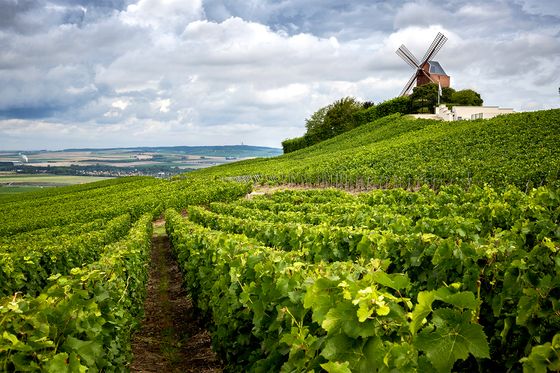
- Champagne: Only sparkling wine made in this specific region using the methode Champenoise can legally be called Champagne. On our Food & Wine of France: Burgundy, Champagne & Paris tour, a sommelier guides you through a tasting in Veuve Clicquot’s UNESCO-listed cellars.
- Dordogne Valley: On our Food & Wine of France: Bordeaux & Burgundy tour, take part in a blind wine tasting. You’ll sample the region’s exceptional sweet wines before the label is revealed.

Why French markets are a must for any food lover
How the market is central to French food culture
Chefs source their ingredients, locals do their weekly shopping, and neighbors catch up over a coffee at the marche (or market). It’s as much a part of French daily life as the boulangerie or the bistro culture. Visiting one is the fastest way to understand what a region takes pride in, and no menu can tell you as much about a place as its market stalls can. Learn more in our France Travel Guide.
Best food markets to visit in France
- Les Halles de Lyon Paul Bocuse in Lyon: Named for Lyon’s most celebrated chef, stalls at this covered market serve up cured sausage, Saint-Marcellin cheese, and coussins de Lyon. A guided tasting stop is included on our Food & Wine of France: Burgundy, Champagne & Paris tour.
- Marche des Enfants Rouges in Paris: Tucked into Le Marais is Paris’ oldest covered market. Grab a crepe smeared with apricot jam and wander—fresh fruit, cheese, and international street food fill every stall. A walk through here is included on our France Food & Wine Tours.
- Perigueux markets in the Dordogne Valley: Foie gras, truffles, rillettes, and local wines take center stage. Enjoy a guided tasting walk here when you take our Food & Wine of France: Bordeaux & Burgundy tour.
- Marche des Capucins in Bordeaux: This neighborhood market, called the belly of Bordeaux, is filled with specialties from the Nouvelle-Aquitaine region. Try freshly shucked Arcachon oysters, Bayonne ham, and Bordeaux wines.

French dining culture and what to expect at the table
Dining times and meal structure in France
An unhurried, two-course lunch is the main meal of the day. Dinner starts later than most travelers expect, rarely before 7:30 p.m., and follows a multi-course structure: entree, plat, fromage, dessert. The afternoon gouter—a small, sweet snack—bridges the gap. Understanding this pacing, and brushing up on these tips for eating in France helps you get more out of every meal.
Etiquette and ordering tips
- Bread goes directly on the tablecloth. It’s there to accompany the meal, not to tide you over before it arrives. If you use it to wipe your plate clean, that’s called faire saucer—and the chef will take it as a compliment.
- The check is never rushed. L’addition won’t appear until you ask for it. Lingering at the table after a meal isn’t rude, it’s expected. So order another glass and settle in on our France tours.
- Wine isn’t only served at dinner. Wine with lunch and dinner is standard practice across France. When in doubt, order the regional wine or the house pour. It’s almost always the best value and match for what’s on the plate.
- Tipping is optional. Service is legally required to be included in French restaurant bills—look for the words service compris. Tipping isn’t expected, but leaving a few euros after a great meal is a kind gesture.

How to choose the right France Food & Wine Tour for you
France’s culinary regions are distinct enough that where you go matters as much as how you get there. Our France tours take the logistics off your plate by including curated experiences and a Tour Director who knows where to eat and what to order. The question is which regions and experiences matter most to you. Here’s how to choose.
What to consider when picking your France Food Tour
- Wine regions: If you prefer still wines, our Food & Wine of France: Bordeaux & Burgundy tour covers two of France’s most prestigious wine regions. If you prefer bubbles, our Food & Wine of France: Burgundy, Champagne & Paris tour includes a Champagne tasting.
- Hands-on cooking experiences: Both tours include cooking classes and guided market tastings. But if hands-on time is a priority, our Food & Wine of France: Bordeaux & Burgundy tour includes two cooking lessons—making it the better pick for travelers who want to roll up their sleeves.
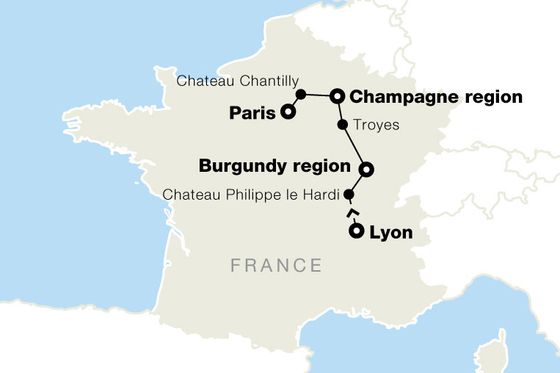
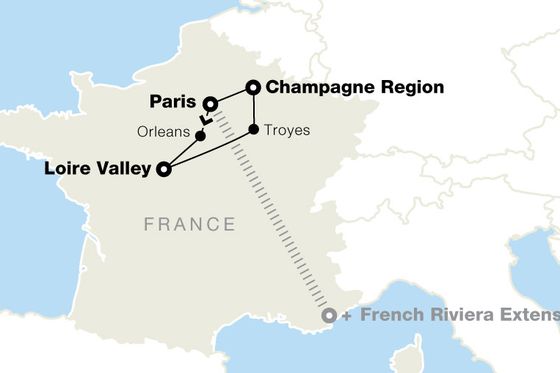
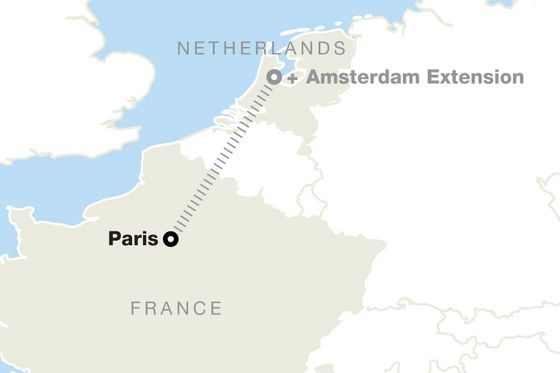
- Regions and cities: Both our France Food & Wine Tours cover Burgundy and end in Paris. Our Bordeaux & Burgundy tour adds France’s southwest, where duck, truffles, and French cheese take center stage. Our Burgundy, Champagne & Paris tour heads north and spotlights bouchon dinners, bubbles, and pastries. Choose based on whether France’s more rustic or more refined side calls to you.
- Tour length: The southwest tour runs 12 days, or 15 with the Champagne & Paris extension. The northern tour runs 10 days, or 12 with the Paris extension. Both build in free time to visit a neighborhood boulangerie or linger at a cafe on your own terms.

FAQs
Emily loves the simple travel moments—like watching hours pass by in minutes while sharing a meal and a laugh (or many) with her friends and family. Outside the office, you'll find Emily listening to anything and everything John Mayer, attempting to cook a New York Times recipe, or dreaming up her next trip.




)