Cherry Blossoms in Japan: Tokyo to Kyoto
10 days | 13 days with Hiroshima & Osaka extension |

Black Friday priority access: Save up to $800 by 10/15
Top deals will sell out, so lock in your spot now for just $99 down with AutoPay.†
Lean into spring’s embrace as the sakuras take center stage among Japan’s inimitable landmarks.
Japan is as evergreen a travel destination as they come, but for a few glorious weeks each spring, the country becomes a burst of pink as its cherry trees reawaken. As this tour takes you from Tokyo to Kyoto, you’ll drink in their ephemeral elegance alongside enduring sights like Senso-ji, Mount Fuji, and Nijo Castle. Don’t think you’ll be ready to bid those flowers farewell? Tack the extension to Osaka and Hiroshima onto your itinerary.
Your tour package includes
- 8 nights in handpicked hotels
- 8 breakfasts
- 1 lunch
- 3 dinners with beer, wine, or sake
- 1 sake tasting
- 1 food tasting
- 9 sightseeing tours
- Expert Tour Director & local guides
- Private deluxe motor coach
- 1 train ride
Included highlights
- Cherry blossoms
- Japanese cooking class
- Calligraphy class
- Mount Fuji
- Hakone Open-Air Museum
- High-speed bullet train ride
- Golden Pavilion
- Guided meditation session
- Nara
- Kuromon Ichiba Market
Itinerary

Overnight Flight1 night
Day 1: Travel day
Board your overnight flight to Tokyo today.
Tokyo3 nights
Day 2: Arrival in Tokyo
Welcome to Japan! Transfer to your hotel and settle in. Then, meet your Tour Director and groupmates at a welcome mixer before calling it a night.
Day 3: Sightseeing tour of Tokyo, calligraphy class, cooking class & welcome dinner
Included meals: Breakfast, Welcome dinner
Join a local guide and embark on an immersive tour of Tokyo, Japan’s bustling capital. Ancient shrines, serene temples, peaceful parks, and modern skyscrapers make up the tapestry of the city, which is home to nearly 14 million people.
- Enter Senso-ji, Tokyo’s oldest Buddhist temple. (With its five-story pagoda and red-and-white facade, it’s one of the country’s most photographed, too.)
- Admire the cherry blossoms as you pass through Ueno Park. One of Tokyo’s oldest and biggest green spaces, it’s a popular destination for hanami—the Japanese tradition of picnicking beneath the blooms and enjoying their delicate beauty.
- Walk to Nakamise, a bustling market street on Senso-ji’s grounds. Two ornate gates sandwich 89 shops; enjoy free time to stop at however many you’d like.
This afternoon, take part in a calligraphy class where you'll meet with a local master who'll guide you through this ancient Japanese art form, from crafting your own ink to perfecting brushstrokes on delicate rice paper. By the end of this hands-on cultural experience, you'll have mastered the basics of this meditative practice and created your own kanji character to take home as a meaningful souvenir of your time in Japan.
For tonight’s welcome dinner, you’ll team up with an experienced chef to learn how to prepare traditional Japanese cuisine. Grab your apron and watch as they whip up a bento box of makizushi (sushi rolls), chicken teriyaki, and other staples. Then, try making some yourself before sitting down to feast on your creation, served with beer, wine, or sake.
Day 4: Free day in Tokyo
Included meal: Breakfast
Greet a giant Buddha—and dozens of flowering cherry trees—on an enlightening journey to Kamakura, an ancient Japanese capital and the target of today’s optional excursion.
If you choose not to add the trip to your itinerary, try to visit some of Tokyo’s landmark gardens in your own time. Our favorites include the Imperial Palace East Gardens, landscaped among ruins of the 15th-century Edo Castle; the Shinjuku Gyoen National Garden, peppered with ponds and cherry trees; and the Meiji Jingu Gyoen, an iris field just steps away from a famous Shinto shrine.
Mount Fuji Region1 night
Day 5: Sightseeing tour of Tokyo & transfer to Mount Fuji Region
Included meals: Breakfast, Dinner
Kick your day off with another guided sightseeing tour of Tokyo, focusing on the bustle and beauty of the modern city.
- Ride in an elevator to the top of the Metropolitan Building—a soaring structure with twin towers and observation decks—to enjoy panoramic views of the city.
- Climb up to a nearby vantage point to get a bird’s-eye view of Shibuya Crossing. Some 3,000 people scramble across this junction every two minutes, rightfully earning it the title of the world’s busiest pedestrian intersection.
- Stop inside Shibuya Station to view “The Myth of Tomorrow,” Japanese artist Tarō Okamoto’s famous avant-garde mural depicting the explosion of an atomic bomb.
- Amble beneath a canopy of cherry blossoms along the banks of the Meguro River and embrace your last few moments in Tokyo.
Later, hit the road for the onsen-dotted spa town of Hakone. But before pulling into town, detour to Mount Fuji—the snowcapped volcano synonymous with Japan—and pause at a scenic viewpoint where the iconic peak reveals itself in all its breathtaking glory. Let the sight wash over you, impressing the fact that you're standing in the shadow of a global icon, camera in hand and jaw appropriately dropped.
Camera reel filled, continue your journey to your hotel in the Mount Fuji region. After freshening up, meet back up with your group for an included dinner, served with beer or sake, before retiring for the evening. (Instead of laying out in your room, try lounging in one of your hotel’s soothing hot springs!)
Please note: Travelers will need to pack a small overnight bag for the duration of your stay in the Mount Fuji region as larger, checked luggage will be shipped ahead to Kyoto due to limited space on trains.
Kyoto4 nights
Day 6: Hakone & bullet train ride to Kyoto
Included meals: Breakfast, Tasting
Hit the road for Hakone, an onsen-dotted spa town in the shadow of Mount Fuji, and stop for a three-part visit.
- Glide above Hakone's dramatic landscape on the scenic Ropeway, where gondolas carry you over steaming volcanic valleys and lush forests.
- Take in panoramic views from your gondola of Lake Ashi's shimmering waters below and, on clear days, the majestic silhouette of Mount Fuji rising in the distance.
- Head to the volcanic Owakudani valley to try a local specialty: kuro tamago, or black egg. Thanks to the sulfur-rich waters of the springs they’re boiled in, the shells of these eggs turn a distinct matte black. (Another fun fact: Legend holds that eating one will extend your life by seven years!)
Afterward, transfer to Odawara Station and board a bullet train to Kyoto. Once you arrive, you’ll transfer by bus to your hotel and have the evening to yourself.
Day 7: Sightseeing tour of Kyoto
Included meal: Breakfast
Today, join a local guide on a sightseeing tour of Kyoto, the city that served as Japan’s capital for more than 1,000 years and is still considered its spiritual center.
- Follow the Philosopher’s Walk, a canalside stone path shaded by hundreds of cherry trees, and bask in the splendor of its blooms.
- Enter the 17th-century Nijo Castle. Sitting in the center of a series of concentric fortifications, this castle was built with native cypress wood, leading to a unique quirk—or chirp. When someone walks down a corridor, the floors sing like a nightingale.
- Take in the majesty of Kinkaku-ji, the UNESCO-recognized Temple of the Golden Pavilion that’s so often associated with the city of Kyoto.
Add this afternoon’s optional outing to your itinerary and we’ll shepherd you through the serene stalks of the Arashiyama Bamboo Grove to a workshop where you'll craft your own beautifully dyed Yusen cloth. Prefer to go solo? For a little more bustle (and plenty of bites), spend your free afternoon at Nishiki Market, a thriving collection of shops and stalls lovingly referred to as “Kyoto’s kitchen.”
Day 8: Zen meditation class & sightseeing tour of Nara
Included meals: Breakfast, Tasting, Lunch
Kick the day off by tapping into your unconscious mind during a guided Zen meditation at a local Buddhist temple. After coming back to the present, you’ll tour the temple’s grounds before tasting some matcha. This finely ground green tea boasts an earthy flavor; pairing your sips with a wagashi, or traditional Japanese sweet, heightens the taste of both.
Buddhist shrines, bowing deer, and blissful peace of mind can all be found in the city of Nara— and today, you’ll venture to Japan’s former capital to see some of its UNESCO-listed monuments with a local guide.
- Tour Todai-ji, an imposing temple that houses one of the country’s largest bronze statues of the Buddha. Another popular pastime: trying to squeeze through a hole in the base of one of its pillars. (If you manage it, you’ll earn enlightenment in your next life!)
- Continue to the lantern-lined paths of Kasuga Taisha. Rebuilt several times since its establishment in 768, this Shinto shrine uses vibrant colors to stunning effect, its vermilion columns beautifully contrasting with the surrounding forest.
- Stroll through nearby Nara Park, one of Japan’s oldest green spaces. You might chance upon some resident sika deer padding between its 1,700 cherry trees.
After your sightseeing, enjoy an included lunch at a local restaurant before returning to Kyoto.
Day 9: Free day in Kyoto
Included meals: Breakfast, Liquor tasting, Farewell dinner
The reverence of the Fushimi Inari Shrine. The decorum of the Japanese tea ceremony. These two attractions illustrate the beauty of the country’s culture; add today’s optional excursion to your itinerary and you’ll get to experience both, all framed by those ubiquitous cherry blossoms.
Or, make the most of your free day and roam around Kyoto at your leisure. For pictures plucked from the past, head to Ninenzaka and Sannenzaka. Lined by traditional wood-paneled buildings, these pedestrian districts are free of vehicular traffic, making them a great place for a walk.
Tonight, join your fellow travelers for a farewell dinner at a local restaurant, accompanied with beer, wine, or sake. Give your heartiest kanpai, or cheers, and enjoy one final evening in each other’s company.
Flight Home
Day 10: Departure
Included meal: Breakfast
Transfer to the airport for your flight home. Alternatively, head to Hiroshima, double back to Osaka, and make more memories among the cherry blossoms in both cities on this trip’s extension.
Hiroshima & Osaka extension
Hiroshima, the City of Peace, is more than the site of World War II’s most infamous attack—its food scene, forests, and nightlife show a place that transcends its history. And don’t let the glowing lights and busy streets of Osaka give you the wrong idea: This big city has small-town charm, right down to its famously friendly locals. Zip between both by bus and bullet train, stopping at Himeji Castle for good measure, and round out your understanding of Japan.
Hiroshima1 night
Day 10: Train to Hiroshima & sightseeing tour
Included meal: Breakfast
Bid farewell to your groupmates that are heading to the airport, then make your way to Osaka Station. There, you’ll board a high-speed bullet train to Hiroshima and get to know this renowned City of Peace alongside your Tour Director.
- Visit Peace Memorial Park to see the Atomic Bomb Dome, the only structure to withstand the U.S.’s infamous bombing of the city during World War II. Juxtapose its weathered concrete-and-brick exterior with the fresh blush of the park’s 300 blooming cherry trees and pause for a moment of reflection.
- Enter the Peace Memorial Museum, which displays belongings left behind by bombing victims, as well as photos and other materials that convey the horror of the event.
- Take a short ferry ride to Miyajima Island, where you’ll have free time for lunch. Then, view the UNESCO-listed Itsukushima Shrine, a 12th-century Shinto shrine known for its “floating” torii gate. (Its fiery orange paint pops nicely against the blue of Hiroshima Bay and the pink of the sakuras.)
End your day by busing to your Hiroshima hotel, checking in, and relaxing the night away.
Osaka2 nights
Day 11: Osaka via Himeji
Included meal: Breakfast
Instead of driving straight to Osaka, detour to seaside Himeji. After free time for lunch, join your group for a visit to the city’s crown jewel—Himeji Castle. Existing in some form since 1333, it survived the march of time and the bombs of World War II, becoming a UNESCO World Heritage Site in 1993.
- Pass beneath the wooden Otemon Gate and snap photos of Himeji Castle’s regal white walls. (The brilliant color of its facade earned it the nickname Shirasagi-jo—the White Heron Castle.)
- Enter the main keep and, if you choose, scale a set of staircases to reach the sixth floor. A humble shrine will greet you, as will 360-degree views of the castle complex, its 450 cherry trees, and Himeji beyond.
- Walk back through the Otemon Gate and pause in Koko-en, a collection of nine walled gardens showcasing landscaping styles from across the Edo period. Go for a peaceful stroll before returning to your bus.
Return to your bus and make for Osaka, where you’ll check into your hotel and have a free evening to unwind.
Please note: To reach the top floor of Himeji Castle, you should feel comfortable climbing steep, narrow staircases.
Day 12: Sightseeing tour of Osaka
Included meals: Breakfast, Tasting
Part culinary capital, part cultural hub, part hanami hotspot, Osaka rivals even Tokyo in history and attractions. With help from your Tour Director, you’ll get to know this welcoming city, and savor one last taste of Japan, on today’s sightseeing tour.
- Visit Osaka Castle, a massive moat-ringed fortification that has anchored the city since 1583. Explore its grounds and a museum dedicated to Toyotomi Hideyoshi, the “Great Unifier” who built it.
- Stroll through Kuromon Market. Dating to the Edo period, when Japan was unified and ruled by the Tokugawa shogunate, this covered commercial space houses some 150 shops selling everything from street food to clothing. Learn about Japan’s culinary traditions as you walk, then stop to try takoyaki—ball-shaped bites of batter stuffed with diced octopus.
- Continue to the colorful Dotonbori district, instantly noticeable from the glow of its many neon signs, for free time to explore and find lunch.
Send your trip off in fitting fashion by booking this evening’s optional dinner-and-karaoke outing. Prefer something a little more muted? Raise a glass with new friends at a local bar before turning in and packing up.
Flight Home
Day 13: Free morning in Osaka & departure
Included meal: Breakfast
Enjoy a free morning in Osaka for some last-minute exploring and souvenir shopping. Then, transfer to the airport for your flight home.

Start planning today
Have a quick question about tipping or what to pack? Give us a call at 1-800-590-1161, or talk to a Tour Consultant.
Reviews
Hotels
We handpick every hotel to strike the balance of comfort, location, and local charm. Specific accommodations will vary based on your departure date, but these are frequently used hotels for this tour and we're confident you'll be satisfied.

Tokyo - Asakusa View Hotel Annex
This beautiful hotel is located in Tokyo’s Taito City. Guests enjoy the fitness center, impressive city views, and the on-site restaurant serving both Japanese and western cuisines. Nearby, you’ll find the Samurai Ninja Museum,...
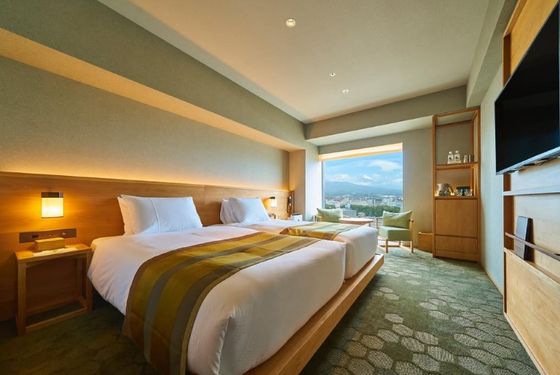
Mount Fuji Region - Fujisan Mishima Tokyu Hotel
The Fujisan Mishima Tokyu Hotel features the amenities expected of a four-star property—extras like a Japanese-French restaurant and a shop selling goodies from around the region. But its greatest draw might be its next-door...
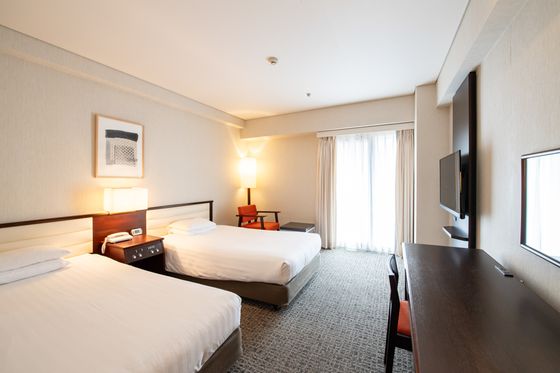
Kyoto - Kyoto Tokyu Hotel
This luxurious hotel is located in Shimogyo-ku. Guests enjoy a fitness center, a spa with relaxing treatments, and three on-site restaurants serving Japanese and Chinese cuisine. Nearby, you'll find Nishi Honganji Temple, Kyoto...
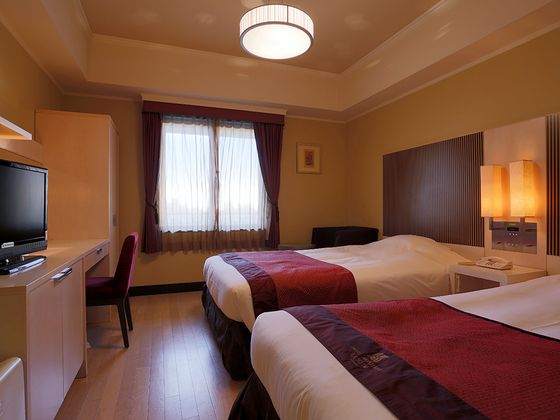
Osaka - Hotel Monterey La Soeur Osaka
This elegant hotel is located in Chuo. Guests enjoy a full-service spa with hot springs, a sauna, and an on-site restaurant serving traditional Japanese cuisine. Nearby, you'll find Osaka Castle, Shiginonomori Park, and the...
Hiroshima - ANA Crowne Plaza Hiroshima by IHG
This sophisticated hotel is located in central Hiroshima. Guests enjoy an indoor swimming pool, a rejuvenating spa with massage therapy, and four on-site restaurants featuring local cuisine. Nearby, you'll find the Peace...
Flights
Make your journey to and from your tour as smooth as possible by letting our travel experts handle your round-trip flights. We’ll select the best itinerary for you at a great rate, thanks to our airline partnerships.
Your Go Ahead flight package includes:
- A round-trip flight for your tour from your preferred home airport
- An EF representative waiting for you on arrival to whisk you to your hotel
- Your lowest price locked in, so you don’t have to track airfare
- 24/7 on-tour support from our dedicated flights team
- Complimentary luggage retrieval services through Blue Ribbon Bags
- Dedicated flight experts to help arrange early arrivals, longer stays, or upgrades, so every detail fits your travel style
- Stress-free rebooking if your tour itinerary changes
Find out more about flights
FAQ
- In order to enter Japan, U.S. and Canadian citizens need a valid passport with an expiration date extending at least six months beyond the date of reentry.
- We recommend having at least two blank passport pages for entry stamps.
- There is no visa required for U.S. or Canadian citizens to enter Japan.
- It is recommended to register your passport, flight, and other travel information at least 72 hours prior to departure through Visit Japan Web to speed up the immigration and customs process upon arrival. Once you’ve completed your information, you will receive a QR code to present upon arrival.
- If you are not a U.S. or Canadian citizen, you must contact Japan's consulate for your specific entry requirements.
- You can see the most up-to-date entry requirements for the destination(s) you’ll visit on tour by going to goaheadtours.com/entry-requirements and searching the code JPC.
- Round-trip flights booked through Go Ahead Tours arrive in Tokyo and depart from Osaka.
- Transfers to and from the airport at your destination are included for travelers who have purchased their flights through Go Ahead Tours. Travelers who booked their own flights are responsible for securing their own airport transfers.
- When you arrive in Tokyo, a Go Ahead representative will be waiting for you in the arrivals hall with a Go Ahead sign or a sign with your name(s). If you don’t see a representative immediately, please be patient and stay in the arrivals area. They may be assisting another traveler who has also just arrived and will be back shortly.
Physical Activity Level
This is a high physical activity-level tour. You can expect to be on the move on a regular basis throughout the course of the tour.
Tour Pacing
This is a steady-paced tour. The pace of a tour itinerary considers how often you’ll switch hotels, the amount of planned daily activities, and how you’ll get from place to place. You can expect:
- One 1-night stay
- 3 full days of included activities in a row (more if you add excursions)
- Most transportation by motor coach, some by train
- About 4 hours of bus time daily
Walking, Terrain & Physical Requirements
- Travelers should be prepared to walk 2-3 miles per day—this includes city streets, cobblestones, stairs, and hills.
- Stone walkways may be slippery even when dry.
- Access to the higher floors of Himeji Castle required navigating a series of steep, narrow staircases.
- Travelers should be healthy enough to participate in all included walks without assistance.
- Please Note: Adding optional excursions may increase the total amount of walking on your tour.
Climate Considerations
- Temperatures range from 40sF in winter to low-80sF in summer, with occasional heatwaves in the summer months (June-September).
- Summer is the rainy season in Japan and travelers should expect hot, humid days.
Physical Activity & Tour Pace Questions
- Go Ahead Tours and the Tour Director who accompanies your group are unable to provide special mobility or luggage handling assistance to travelers on tour. The responsibility of the Tour Director is to ensure the group enjoys a smooth and informative journey, and they can’t be relied on to provide individualized assistance to any one traveler.
- This tour moves at a reasonable pace to avoid missing scheduled stops. The rest of the group cannot miss any scheduled activities because of the needs of an individual.
- Due to the pace and physical activity level of this tour, mobility aids such as wheelchairs or walkers will be difficult to use and are not recommended. Please notify Go Ahead Tours before your departure if you plan to bring these on tour with you.
- If you have mobility concerns or tour pacing questions, please visit our Help Center or send a message to our Customer Experience Team.
- This tour includes various modes of transportation, including trains and private motor coach. Some modes of transportation will have raised platforms or steps and often not provide access to ramps or lifts.
- A high-speed train transfer from Odawara to Kyoto is included in the price of your tour. (The tour extension also includes a round-trip, high-speed train ride between Osaka and Hiroshima.)
- All other included transportation on this tour is by private motor coach.
- Japanese train stations typically operate similarly to airports: Security measures, such as baggage and body scanners, are common. Additionally, platforms are often spread across large distances and require travelers to carry their luggage up and down escalators or stairs. Porterage services aren’t offered and storage space is extremely limited. Please keep in mind that trains may only stop at each station for a few minutes; quick boarding and deboarding may be imperative.
- Please note that our travelers are limited to one checked bag and one carry-on bag per person due to storage limitations on motor coaches.
- Some airlines may impose additional charges if you exceed baggage size and weight restrictions. Be advised that you are responsible for any baggage fees incurred on all flights.
- Contact your airline(s) for baggage size and weight restrictions for your flights.
- Make sure you label your baggage and keep valuables, medication, and documents in your carry-on bag.
- Travelers must manage their own luggage throughout tour as porters are not guaranteed. This includes at hotels and airports.
- You will need a small overnight bag (such as your carry-on bag) for your stay in Hakone. Your luggage will be transferred for you from Tokyo to Kyoto directly.
- We recommend packing lightweight, loose-fitting clothing that can be easily layered to accommodate varying temperatures, as well as a light jacket or rainwear.
- A sturdy pair of walking shoes or sneakers is recommended for sightseeing.
- You may want to pack dressier attire if you plan to visit a high-end restaurant or attend a special performance.
- It is preferable not to visit temples or other religious sites with bare legs and shoulders (and entrance may be denied on this basis).
- We recommend packing a reusable water bottle to cut down on single use plastic waste.
- We recommend packing a universal adapter, as well as a voltage converter if you plan on using your own hairdryer or other device without a built-in converter.
- In case of emergencies, we also recommend packing your medical insurance card in your carry-on.
- Go Ahead handpicks every hotel you’ll stay at, striking a balance between comfort, location, and local charm.
- Specific properties will vary based on your departure date, but are typically three-to-four-star hotels; always include private bathrooms; and usually have in-room safes for valuables. Additionally, your hotels will have Wi-Fi, but access may be limited to common areas. There may also not be elevators.
- Unfortunately, we can’t guarantee that your accommodations will have laundry services or facilities. We recommend checking directly with your hotels once they’ve been confirmed, about 30 days prior to departure.
- Some hotels on this tour are situated on narrow streets; as such, our buses can’t drop you off right out front. In these instances, you’ll have to walk your luggage to the property, no more than a few blocks.
- Please be advised that the strength of the air conditioning in Asian hotels/buildings is often not as strong or as cool as what you might be used to in the U.S. or Canada.
- Japan operates on 100 volts and uses a Type A plug, the same as in the U.S.
- Specific accommodations will vary based on your departure date.
- Guests will fully undress and leave their belongings in the locker room before entering the bathing area, as complete nudity is the traditional and expected practice at Japanese onsens. While some establishments are beginning to offer alternatives for modest visitors (such as designated swimsuit times or private bath rentals), these accommodations remain relatively uncommon.
- Before entering the shared baths, guests must thoroughly wash and rinse themselves at the washing stations. Be mindful of your surroundings to avoid spraying others while washing.
- A small white bathing towel is often provided or available for rent. This versatile towel serves as a modest cover-up when walking between areas, for washing your body, and for drying afterward. While bathing, most guests fold the towel and keep it nearby or place it folded on top of their heads. The bathing towel must never touch the bath water. Shampoo and soap are typically provided, though many guests prefer bringing their own.
- Hair should be worn up and secured to prevent it from touching either your towel or the water.
- Onsens are intended to be relaxing and tranquil environments. Speak quietly and be respectful of others. Swimming, diving, and running are prohibited. You may soak, exit, and reenter the baths at your leisure, though it's recommended not to spend more than 30 minutes in the hot water at one time.
- Dry off completely before returning to the locker room to change back into your clothes.
- Check an onsen's tattoo policy before visiting. While many establishments are becoming more accepting of tattoos—offering cover-up patches or private baths for tattooed guests—many still maintain traditional prohibitions. Although most Japanese people don't personally object to tattoos, many businesses maintain conservative policies regarding visible tattoos.
- Excursions are available for purchase prior to departure, and most excursions will be available for purchase while you are on tour directly through your mobile app for an additional $10 USD.
- We recommend purchasing excursions at least 3 days prior to your tour departure. Please note some excursions have advance booking deadlines. Check your tour itinerary for more information to ensure you don’t miss the deadline to add them.
- Optional excursions may be canceled on tour due to reasons like low enrollment, weather or unexpected closures. If an excursion you signed up for is canceled by Go Ahead Tours, you will be refunded the full cost of the excursion. Please note it may take up to 60 days for your refund to be processed.
- Your Tour Director may offer their own optional excursions which can only be purchased on tour via cash (in local currency).
- At least 60 days prior to departure, check with your doctor or healthcare provider for the latest updates and entry requirements, or visit the Centers for Disease Control and Prevention website at cdc.gov.
- If you have medication that you take daily, be sure you have enough for each day of the tour as well as any possible delays encountered.
- If you have dietary restrictions and/or food allergies please notify Go Ahead Tours at least 30 days prior to departure by logging in to your account and updating your traveler info. To update this information closer to your departure date, please call our Customer Experience Team.
- Most of our itineraries include headsets used during certain sightseeing tours so travelers can hear their guides or Tour Director. If you use an assisted listening device, such as a hearing aid or cochlear implant, please visit our Help Center for more information or contact our customer experience team. Please note that at this time not all our destinations offer headsets due to supplier limitations.
- The water is safe to drink throughout your tour unless posted otherwise.
- This tour includes one lunch and three dinners: They may be set menus, buffets, or family-style meals, depending on the location. Dinners also include one glass of beer, wine (when available), or a soft drink, as well as water.
- Breakfast each morning is also included at the hotel and is typically buffet style with hot and cold options.
- Most Japanese meals are based around rice or noodles with fish, meat, and vegetables flavored with soy sauce and miso. You may recognize popular dishes like sushi, tempura, and hot pot.
- Travelers should expect meals to be delicately balanced in flavor—often lighter, less salty, and less sweet than Western dishes. Presentation is important, with food often served in small, beautifully arranged portions. Many dishes highlight seasonal ingredients and emphasize freshness and umami (a savory taste unique to Japanese cuisine). Raw fish (like sashimi and sushi) is common, and some textures—such as slimy (e.g., natto or grated yam) or chewy (e.g., mochi or squid)—may be unfamiliar. Meals are typically served with multiple small side dishes rather than one large main course, and it's customary to eat with chopsticks. Western-style substitutions may be limited outside major cities, so adventurous eaters will get the most out of the experience.
- Breakfast in Japan often includes rice, miso soup, grilled fish, and pickled vegetables. Lunch might be a bento box with rice, meat or fish, vegetables, and sometimes fruit. Dinner usually consists of rice, miso soup, a main dish (like fish or meat), and several side dishes (vegetables, pickles).
- For more traditional Japanese dishes, you'll want to try Sushi (vinegared rice with raw fish, vegetables, and seaweed), tempura (battered and deep-fried seafood or vegetables), sashimi (thinly sliced raw fish or seafood), ramen (noodle soup with meat, vegetables, and various toppings), and yakitori (skewered and grilled chicken).
- Be sure to try some Japanese specialties like the Kaiseki (a multi-course meal showcasing seasonal ingredients and culinary techniques), okonomiyaki (savory pancake with various ingredients like cabbage, meat, and seafood), takoyaki (ball-shaped snacks filled with octopus), natto (fermented soybeans often eaten with rice), and matcha (powdered green tea used in tea ceremonies and desserts).
- At the conclusion of your tour, it is customary to offer your Tour Director and driver a gratuity in local currency. Please keep current exchange rates in mind.
- We recommend tipping $10USD to $12USD per person per day for your Tour Director and $4USD per person per day for your driver.
- If applicable, we also recommend $2USD per local guide.
- Tips can only be paid in cash.
- If you are traveling to multiple countries with different currencies and the same Tour Director, ask them what currency they prefer for their tip.
- The cost of porterage is included in your tour price, and it is not necessary to tip baggage handlers.
- You will use the Japanese yen in Japan.
- Better rates of exchange are usually available overseas, although it’s worth ordering some currency from your local bank to use when you first arrive.
- We strongly advise that you take debit and credit cards, which can be used to withdraw cash at local banks as needed.
- You can use most cards at ATMs on the international networks Cirrus and Plus, but make sure to check with your home bank about withdrawal fees.
- International banks and businesses primarily accept debit and credit cards that work with the EMV chip system. If you don’t already have at least one card with a chip in it, we strongly recommend requesting one from your bank prior to your tour.
- Plan ahead and bring cash to tip your Tour Director, local guides, and bus drivers.
- To help you feel prepared before traveling on tour, we strongly recommend downloading the EF Go Ahead Tours mobile app. It’s free and provides information about important deadlines and entry requirements, as well as your detailed itinerary, packing tips, and more. You can also connect with fellow travelers through the app’s chat feature.
- Wi-Fi is available in most hotels, though some charges may apply.
- There is no Wi-Fi on any of the motor coaches.
- Please contact your mobile service provider for information on roaming charges.
- Your Tour Director will be leading your group throughout your journey. You will have the same Tour Director throughout your tour.
- The role of the Tour Director is not only to provide information and context on the destinations you visit, but also to confirm services, coordinate inclusions, prepare each days’ activities and support travelers while on tour. As such, they must focus on the success of the group, and cannot provide individualized assistance to any one traveler.
- One of the benefits of traveling with EF Go Ahead Tours is our on tour emergency support team.
- Our extensive network of offices around the world, and our integration of ISO 31000: Risk Management Guidelines, help our dedicated 24/7 Emergency Service teams anticipate and address on-tour challenges in a flexible and iterative way.
- This team supports travelers and Tour Directors using a combination of extensive training, simulations, incident response planning, and decades of experience to help manage emergencies if they arise, ranging from personal health concerns or injuries to major world events.
- As needed, On Tour Support can facilitate additional support for travelers on tour, arrange assistance from outside specialists, and liaise with local and international authorities to help solve on-the-ground issues. In addition, the team is dedicated to supporting and facilitating communication between travelers and families in the event of an emergency while on the road or at home.
- Japan is 13 hours ahead of Eastern Time (ET).
- When it’s noon in New York, it's 1am on the following day in Japan.
- When you travel with Go Ahead Tours, you’ll make a positive impact on the places you visit and the people and animals you meet along the way. That’s because our three core Responsible Travel commitments—protecting the environment, supporting local communities, and promoting animal welfare—are at the heart of every tour we offer.
- Travel, when done responsibly, can have an enormous socioeconomic impact on communities. To maximize your impact, eat at locally owned restaurants and shop at small businesses. Ask your Tour Director to point out restaurants they recommend.
- Prepare for your trip: Be aware of monetary norms such as tipping and negotiating in a market; learn about the destination’s forms of etiquette; and take some time to learn a few words in the local language.
- When interacting with locals, make sure to ask people for permission before you take their picture, and approach cultural differences with empathy and an open mind.
- Go Ahead Tours encourages travelers to limit their waste while on the road, especially single-use plastics. You can cut back on generating plastic waste by packing your own toiletries, using electronic documents, and bringing a reusable water bottle and shopping bag. If you need to use plastics or paper, please recycle.